05 November 2026
Over Leed’s 25 year history, our collection of plant has grown from a handful of machines and light vehicles to an almost 300-strong collection.
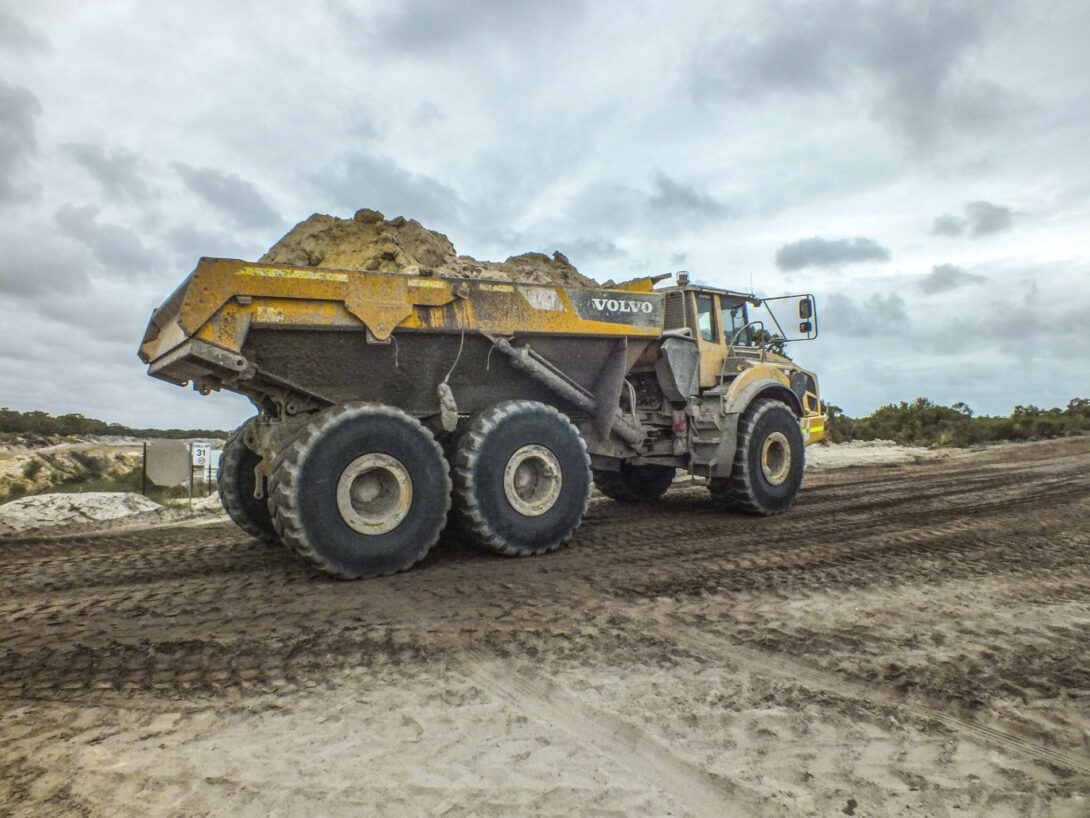
From small beginnings, we now has 35 excavators up to 50 tonnes, 20 articulated dump trucks up to 45 tonnes and two 50 tonne trenching machines. Our work on Snowy 2.0 in NSW has driven the expansion of our specialised machinery fleet, which now includes 20 articulated haulers up to 40 tonnes, equipped to operate in challenging alpine conditions. These and many more machines are used to self-perform projects across metropolitan, regional and remote Australia.
Self-performing was part of the vision
One of our company’s founders, now Leed Chair Andrew Millar says the ability to self-perform was always part of the plan for Leed. It has allowed our teams to become self-reliant and grow the organisation’s sovereign capabilities.
‘All the skills and learning from a project is retained,’ he says, from machine operation and maintenance through project management, meaning that over time the workforce becomes ‘better and better’ at delivering projects. For clients, this also means we can provide more certainty in terms of resourcing and project scheduling.
‘We can always learn but we’ve learnt a lot over those 25 years and many people have stayed with the company and continued that knowledge and journey. It makes the company stronger,’ Andrew says.
Major project that led to fleet expansion
The big plant purchases that symbolised Leed’s growth and expansion as a company were for the South East Flows Restoration project in South Australia.
‘This was a large earthworks project that gave us the confidence to buy a number of articulated dump trucks. We bought at least 4 artics and a number of excavators for that job,’ Andrew says.
The project scope for the South East Flows Restoration included:
– 83 km of open channel construction and modification, requiring more than 3 million cubic metres of earthworks, and
– 60 precast concrete flow regulation structures and diversion structures including penstocks, lay flat gates and stoplogs.
The project design aimed to manage salinity in the Coorong South Lagoon, enhance wetlands flow in the Upper South East, and reduce drainage outflow at Kingston Beach.
Read more about Leed’s projects and Andrew Millar’s reflections of 25 years of Leed.